

Snoring

Snoring
Snoring is a common problem affecting people of all ages. According to the National Sleep Foundation, it affects approximately 90 million American adults — 37 million on a regular basis. While loud snoring can keep one’s bed partner from a good night’s sleep, the most serious problem is that about 75 percent of people who snore have obstructive sleep apnea causing breathing to be disrupted during sleep. Sleep apnea reduces a person’s quality of sleep and leads to day-time sleepiness, fatigue and irritability and increases the incidence of heart disease. ENT of Georgia South can effectively treat your snoring with simple in-office procedures often performed in less than 30 minutes, allowing you to return to work right away. These procedures are effective in reducing or eliminating snoring in most patients.
What Causes
Snoring?
Snoring occurs when floppy tissue in the airway relaxes during sleep and vibrates. Most snoring is caused by an enlarged soft palate and uvula at the back of the mouth, though the tongue, tonsils, adenoids, and congested nasal passages can also contribute to the sound. The level of snoring can be aggravated by excess weight, alcohol intake, and smoking.
Is snoring
Dangerous to my health?
Snoring may be a sign of obstructive sleep apnea, a serious disorder in which the snorer stops breathing several times an hour during sleep. Obstructive sleep apnea can lead to daytime drowsiness, poor work performance, hazardous driving, as well as elevated blood pressure, an enlarged heart, and other disorders of the heart and lungs. Your physician will perform a full examination to determine whether you are a "simple snorer" or if you have a more significant breathing disorder. Either condition may be easily treated - simple snoring with the Somnoplasty procedure and obstructive sleep apnea by a variety of other approaches.
How will
My snoring be treated
Non-surgical approaches include weight loss, avoiding alcohol before bedtime, regular sleep patterns, sleeping on your side rather than your back, avoiding sleeping pills, or the use of an oral appliance to reposition the jaw during sleep. A variety of traditional surgeries are available to reduce excess tissue.
A revolutionary new treatment is now available. The Somnoplasty procedure gently reduces and stiffens the tissues in the soft palate and uvula, and does so without the pain associated with conventional and laser-assisted surgeries.
What are the symptoms of snoring?
-
Daytime sleepiness
-
Low energy
-
Trouble concentrating
-
Decreased productivity
-
Irregular heartbeat
-
Sore throat
-
Irritability
-
Mood swings
-
Strained relationships
What is
Somnoplasty?
Somnoplasty uses low-power, low-temperature radiofrequency energy to treat a well defined area in the uvula or soft palate. The procedure takes place in the physician's office under local anesthesia. Radiofrequency energy is delivered beneath the surface layer of the soft palate. The treated tissue is heated just enough to create an area of coagulation. Over the next four to six weeks, the treated tissue is naturally removed from the body, reducing the volume and stiffening the area responsible for your snoring.
There may be some swelling and discomfort for a few days following the procedure. During the next month or so, you should experience a gradual decrease in your snoring. Depending on your level of snoring, the Somnoplasty procedure may need to be repeated. Since the delicate lining of the palate is protected, the Somnoplasty procedure is virtually painless and allows for a quick recovery.
- Radiofrequency energy is delivered beneath the surface layer of the soft palate
- The treated tissue is heated just enough to create an area of coagulation
- Over the next four to six weeks, the treated tissue shrinks and tightens
Sleep Services Offered by
Your ENT of Georgia South Surgeons Include:
- Multiple office locations
- Home sleep testing
- CPAP initiation, coordination & management
- Allergy testing & treatment center
- Office diagnostic laryngoscopy
- Oral appliances
- Modern office-based snoring procedures
- Surgery/office procedures:
- Septoplasty, turbinate reduction, nasal valve surgery
- Balloon Sinuplasty
- Computer Image-Guided Sinus Surgery
- Tonsillectomy, adenoidectomy
- UPPP
- Tongue base advancement
- Radiofrequency palate/tongue reduction
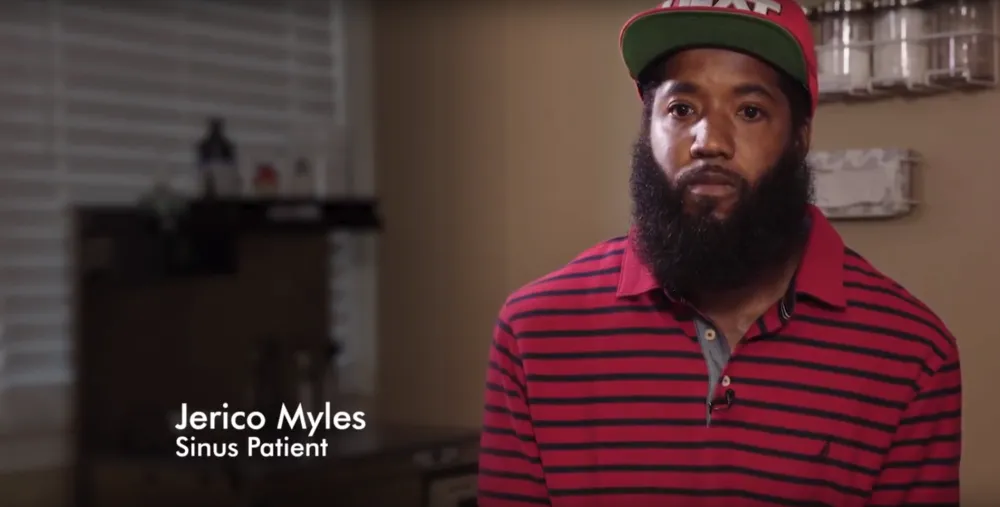
Meet Our
Expert Physicians





Our Convenient
Office Locations
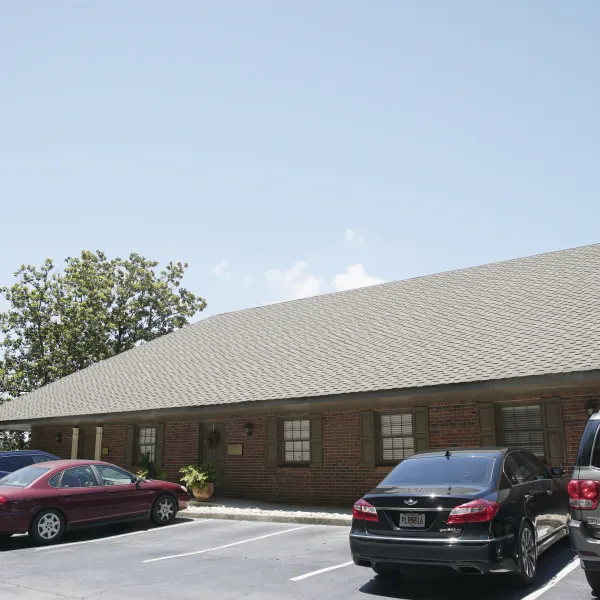
Buckhead
1218 West Paces Ferry Road NW
Suite 208
Atlanta, GA 30327
Monday - Thursday 8am - 4:30pm
Friday - 8am-2:30pm
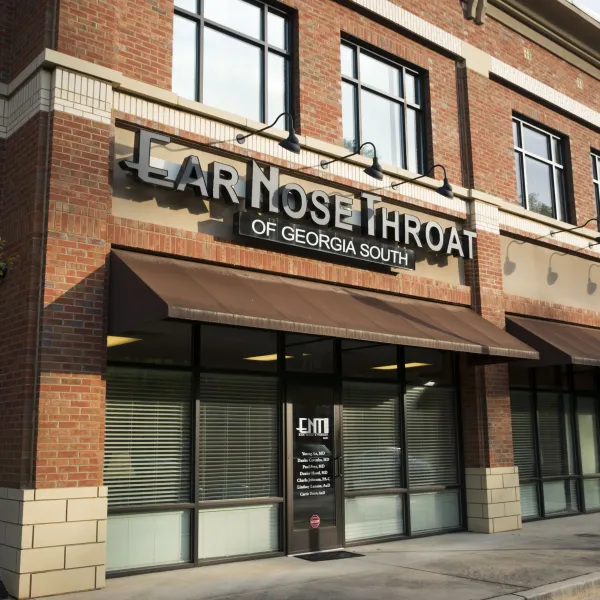
Fayetteville
1240 Highway 54 West
#710
Fayetteville, GA 30214
Monday - Friday 8am - 5pm

Stockbridge
830 Eagles Landing Parkway
Suite 102
Stockbridge, GA 30281
Monday - Friday 8am - 5pm